
Research for
Society



1st
report of its kind to calculate the cost of a united Ireland

1 Million
steps for people living with paralysis – DCU Exoskeleton Programme
Advancing Breakthrough Research…
At DCU, our research is driven by innovative thinking and the search for breakthroughs with impact.
Together with our supporters, we are leveraging DCU’s unique research strengths to deliver solutions for a better world. Our ability to deliver cutting-edge research and grow our talented doctoral student community is greatly enhanced by philanthropic partnerships that support research in areas such as youth health literacy, all-island economics and STEM education.

Research for Society supported by philanthropy in 2024/25 included:
Doctoral Research
In 2024/25, our partners further increased the scale of our doctoral student community by supporting fourteen PhD candidates to pursue research in fields ranging from cancer treatment to AI in education. This year also saw the creation of a number of new PhD scholarships supported by philanthropy, including the Fujitsu PhD Scholarships and the Deloitte-CTYI PhD Scholarship.
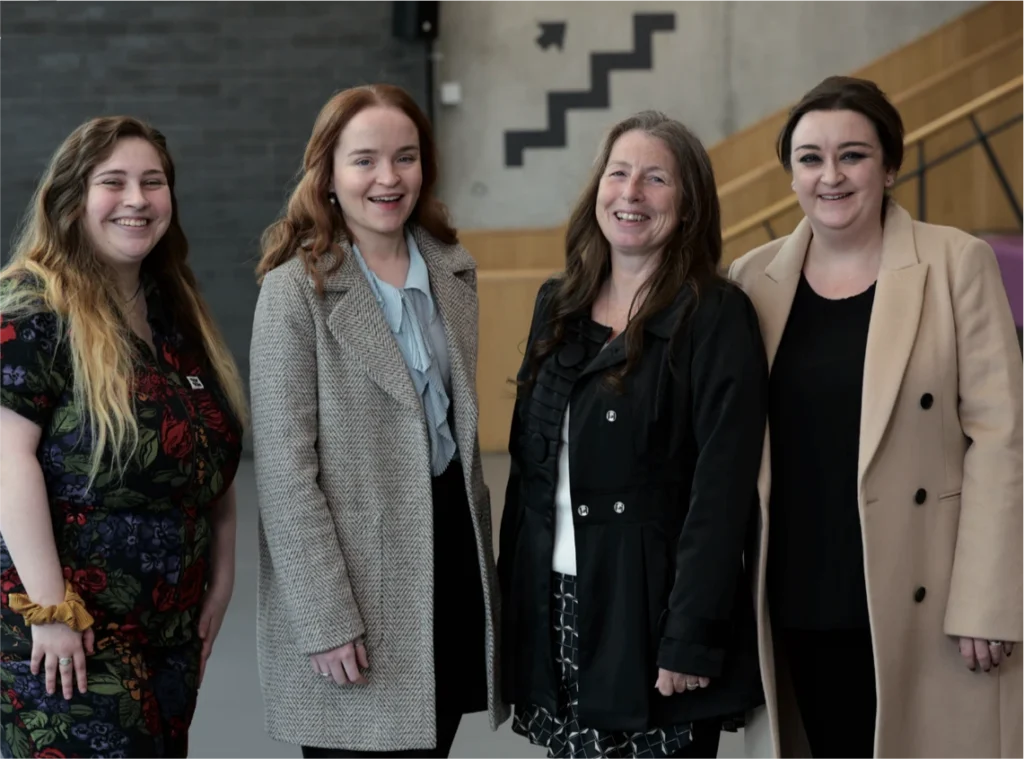
L-R: Doctoral students Carrie Grennan, Claire Hefferon, Carroll Keoghan and Laura McGrath, whose research on autism education is supported by philanthropy
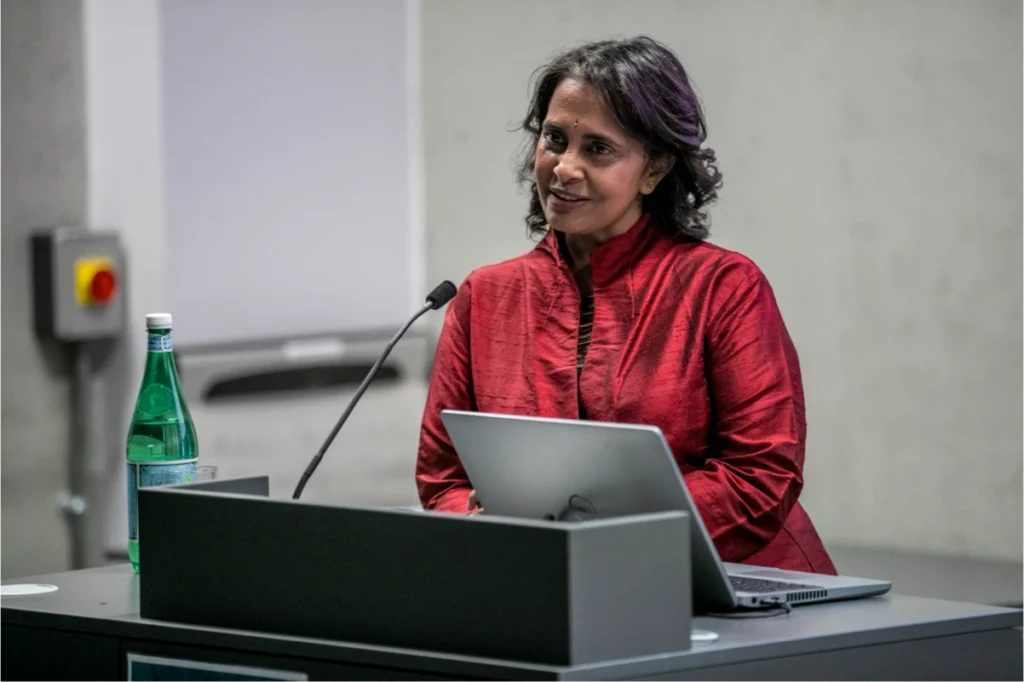
Naughton Family Chair in STEM Education
The Naughton Family Chair is the first in Ireland to focus on STEM education at primary level and in early childhood. As Chair, Professor Hamsa Venkat has made a significant impact on education research, policy and practice. In 2024/25, the Chair led the launch of a new Masters specialism in STEM Education to support cutting-edge STEM teaching and leadership in Irish schools. Her leadership in the field of mathematics education has also given DCU Institute of Education a key role in the development of Ireland’s new STEM curriculum for primary schools, which will impact every child in Ireland. Internationally, Prof Venkat is leading two new projects analysing the impact of innovative STEM training for educators in regions of Africa where teachers have limited access to professional development.
Neurodivergence in the Workplace
Supported by Bank of Ireland and Accenture, DCU has carried out new research on the barriers and enablers that face neurodivergent people in the workplace. Led by Dr Aoife Brennan and Dr Laura Gormley, this study found one in four corporate employees self-identify or have been diagnosed as neurodivergent – and that the wellbeing of neurodivergent employees is significantly poorer than that of their neuromajority colleagues, with 18.5% of neurodivergent employees likely experiencing significant levels of depression. In response, the project has produced nine neuro-affirmative and inclusive guidelines that will support Irish businesses to embed inclusion in their everyday practices. Recommendations include access to quiet focus spaces for all, flexible working hours, reducing the reliance on hot-desking and overhead lighting, and committing the leadership and support to deliver inclusive company policies.


DCU Changemaker Schools Network
This network is based on the simple but powerful idea that all children can be Changemakers, with the skills and confidence to lead change in their home, school, community and society. With philanthropic support from basis.point, Rethink Ireland and a group of individual donors, the network has grown to 50 member schools in 2024/25, and is now preparing to expand its reach to secondary schools and early childhood education for the first time. Each year, the network equips over 12,978 students with the essential skills of empathy, creativity, leadership and teamwork so they are ready to thrive in an unscripted future and to lead change in our society.
DCU Exoskeleton Research Programme
The DCU Exoskeleton Research Programme enables vital research into the future of paralysis treatment, and provides a range of health benefits to wheelchair users who participate in supported walking sessions across its adult and paediatric studies. This year, the DCU Exoskeleton Programme supported over 1 million steps for people living with paralysis, generating vital data to support cutting-edge research, including studies that harness AI, machine learning and wearable sensors to understand the individual’s experience. This research and the robotic exoskeleton suits that make it possible are philanthropically funded through Community Foundation Ireland, the Cerebral Palsy Foundation and by individual donors.
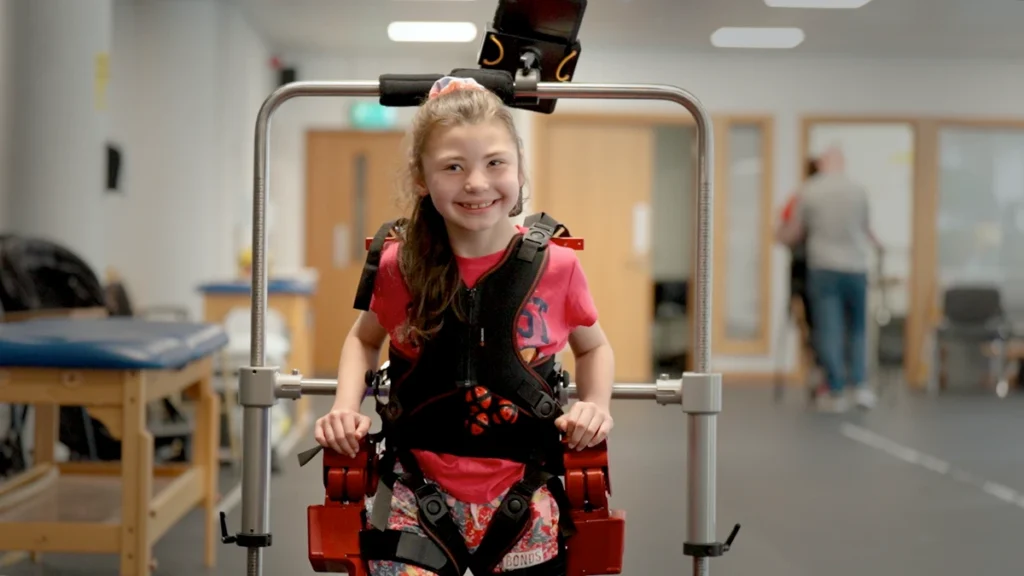
A walk with the DCU Exoskeleton Programme
DCU Anti-Bullying Centre
In 2024, research from DCU Anti-Bullying Centre found that 45% of 11- to 17-year-olds reported witnessing online bullying at least once over the previous months. These bystanders were found to be less confident than non-bystanders in knowing what actions to take when cyberbullying happens to them. The FUSE Anti-Bullying and Online Safety Programme developed by the Centre is a vital bystander intervention that gives students, teachers and school staff the tools to tackle bullying and promote online safety. In 2025, with support from the Department of Education and Youth and Rethink Ireland, the programme reached 1,160 primary schools and 540 post-primary schools in Ireland. Philanthropic support from Equinix Foundation is backing essential research on children’s online safety and the protection of LGBTQ+ groups, in collaboration with DCU School of Law and Government. The Centre’s experts also collaborated with Vodafone Foundation Ireland and Childline by ISPCC to develop content and features for the Tozi app, co-designed with young people to tackle bullying and promote online safety.
Focus on:
DCU LifeLab
At present, the physical and mental health of Irish teenagers is in a poor state. Only 10% of Irish adolescents report meeting physical activity guidelines, while the frequency and severity of reported mental health issues is also increasing.
Yet this is not an equal problem in society, and we know that health outcomes are poorest for socio-economically disadvantaged groups. Irish research has revealed persistent and widening gaps in adolescent health indicators such as health-related fitness, sleep, substance and alcohol abuse, mental health and dietary habits.
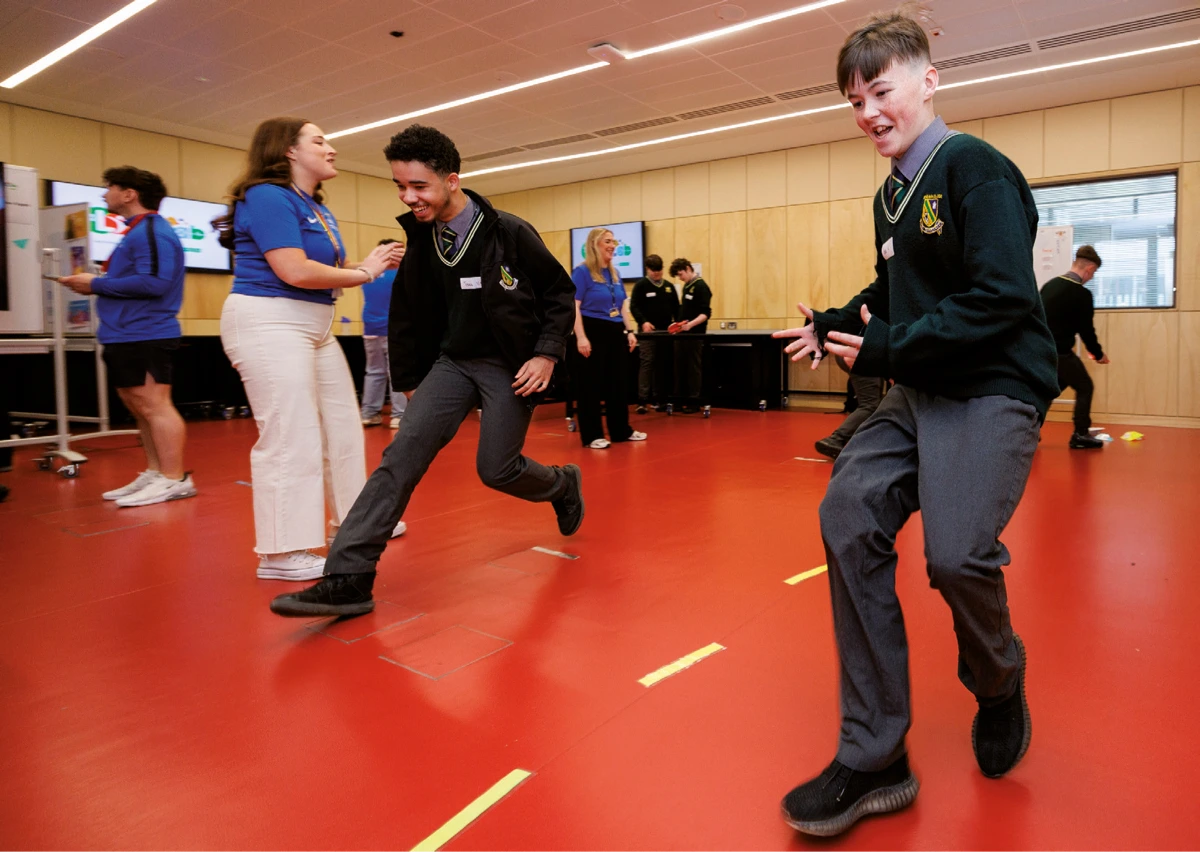
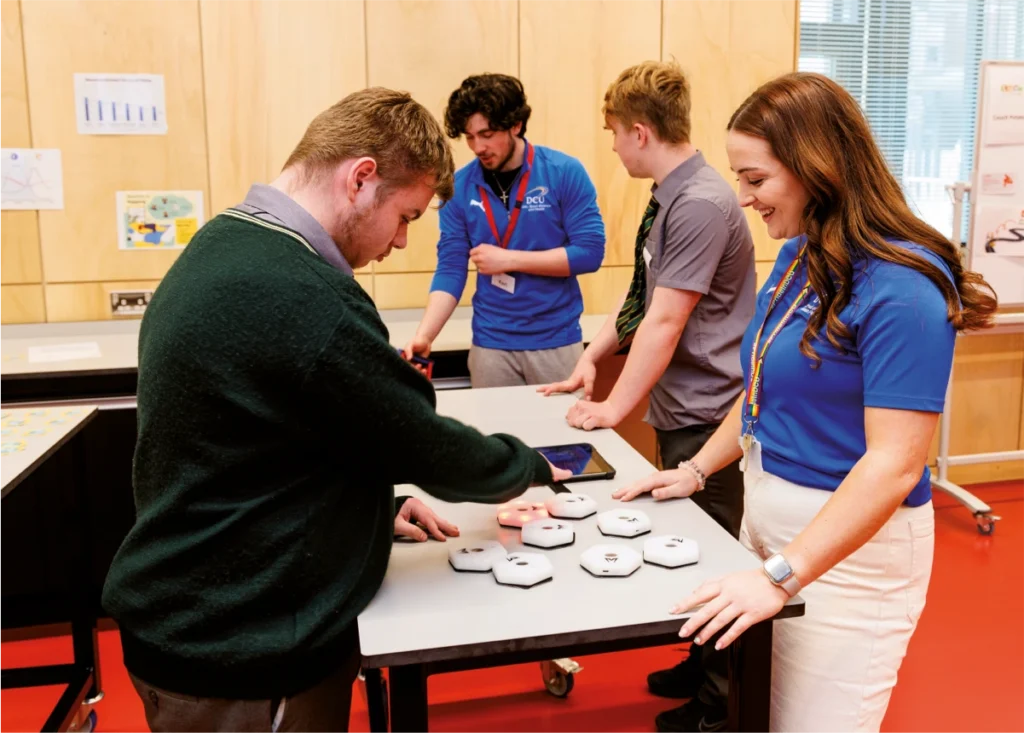
DCU LifeLab is a health literacy intervention co-designed with teachers, young people, and health professionals to improve the health knowledge, choices and behaviours of Irish teenagers in disadvantaged communities. Informed by ongoing research and engagement, LifeLab delivers hands-on learning experiences that empower young people to make informed choices about their health and wellbeing—and become empowered advocates for change in their schools, families, and communities.
In 2024/25, the philanthropic support of the Sunflower Charitable Foundation has significantly accelerated the growth and development of DCU LifeLab. This gift has enabled the programme’s move to a dedicated state-of-the-art facility in DCU Polaris, supported 487 students from socio-economically disadvantaged backgrounds to take part in LifeLab’s innovative health literacy programme, and fuelled pioneering research into youth health literacy.
“The Sunflower Charitable Foundation is proud to support the DCU LifeLab programme, aimed at improving the health choices of Irish teenagers. It particularly welcomes the use of interactive education spaces in helping young people cope with the pace of change in today’s environment.”
Samantha Briody, CEO of the Sunflower Charitable Foundation
“This support from the Sunflower Charitable Foundation marks a transformative moment for LifeLab. It will allow us to grow the programme, deepen our research, and bring health literacy education to more young people across Ireland. By embedding interactive, real-world learning into the school experience, we’re equipping teenagers with the knowledge and confidence to make informed decisions about their health—both now and into the future.”
Dr Hannah Goss, DCU LifeLab
Focus on:
Understanding the Economic Impacts of a United Ireland


Although there is no certainty that referendums on a united Ireland will be called in the foreseeable future, a majority both North and South believe that they will be held within ten years. For undecided voters, economic issues rank as the most significant issue, but the research on potential economic impacts has been limited.
A 2025 report from the All-Island Economy research project estimates the year one cost of a united Ireland at €3 billion, reaching break-even within 9 years. This is the first peer- reviewed report to calculate the cost of unity over the first ten years.
This research, authored by Professor John Doyle in DCU was produced as part of a collaboration between the North-South Research project at DCU and Ulster University Economic Policy Centre (UUEPC), and is supported by philanthropic funding by Denis O’Brien and led by Professor John Doyle (DCU) and Dr Eoin Magennis (Ulster University). This ambitious project looks at short-term cross-border economic lessons that could benefit the island now, and the longer-term economic issues if there is to be a referendum on unity. It vital evidence to the debate on the relative weakness of the Northern Ireland economy, and the poor economic peace dividend since the signing of the Good Friday Agreement in 1998, and also explores if key economic indicators would be likely to improve in a united Ireland.
With a referendum on a united Ireland now a possibility before 2035, the All-Island Economy research project aims to avoid the mistakes of a Brexit style debate by ensuring voters have reliable, impartial and rigorously researched information to inform decisions during the debate.
In 2024/25, the project published critical reports on the economic geography and the public finance cost of a united Ireland, as well as an online economic dashboard that for the first time allows some key economic indicators to be compared on a North-South basis, providing key data insights, and helping inform both the general public and policymakers.
Focus on:
Doctoral Research

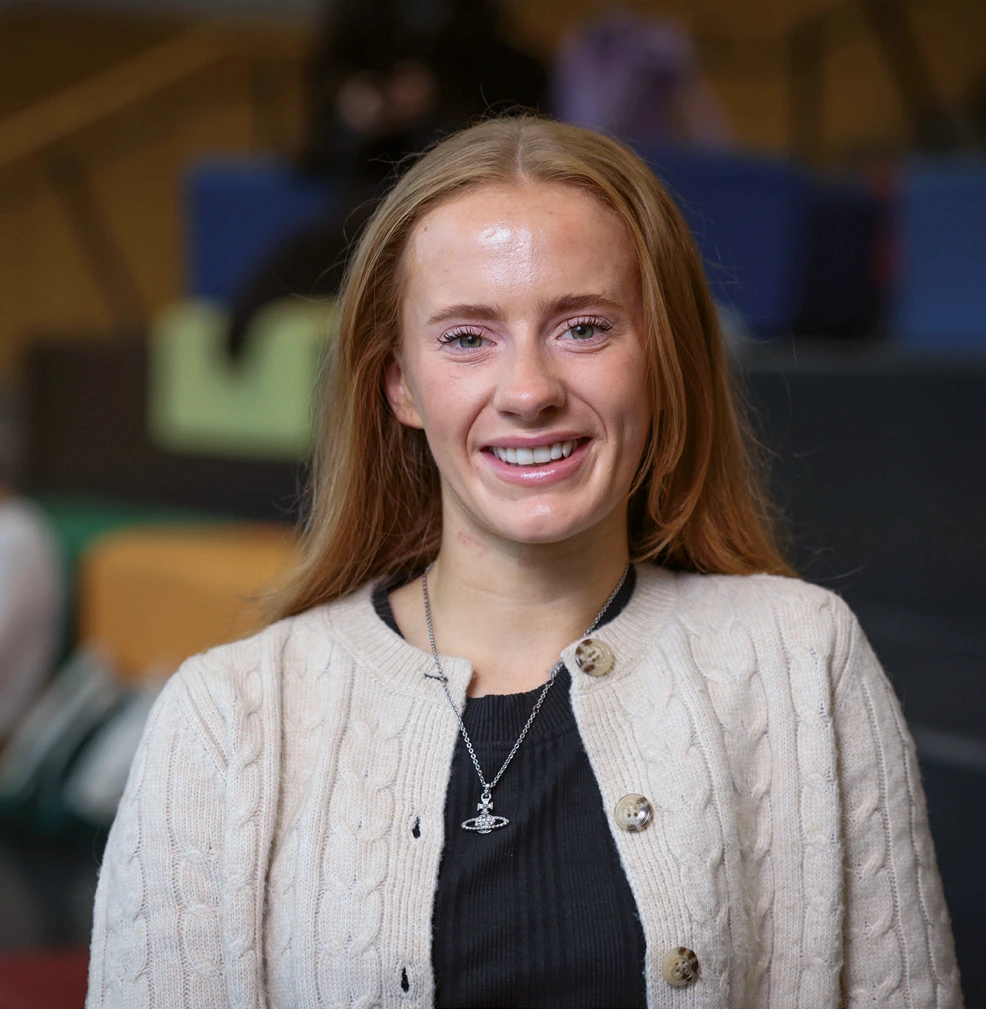
Órla Cremen
The Hannah and Paula Delves PhD Scholarship has enabled Órla Cremen to further her ambitions for a career in research. Her PhD work focusing on understanding the immune-related side effects of Antibody Drug Conjugates (ADCs) is already showing promise.
“I’m originally from Cork, where I did an undergraduate degree in medical science. I majored in cancer biology and immunology and then straight after that, I applied for the PhD scholarship at DCU. Research was something I was always interested in; my dad was a science teacher, and my mum was a nurse, so it was always something that was around me.
I knew that I wanted to go into the area of cancer research as a career, so the PhD was the next step. My project is on cancer immunology. As everyone knows, there are a lot of side effects to chemotherapy. When people have cancer treatment, they can get very sick, they lose their hair, and they can have a lot of problems. Antibody drug conjugates (ADCs) are kind of a targeted therapy that delivers the cancer treatment right to the tumour, which helps reduce side effects. They’ve been very successful and there are about 14 approved for use at the moment.
But it’s also been seen that there are some side effects to them. It’s thought that the ADCs are incorrectly taken up by immune cells, resulting in side effects related to the immune system. Many people have to be taken off treatment early because of these side effects, whereas those who don’t experience them have a really good response to treatment. That’s what my PhD project is about, trying to figure out why this happens and then looking at drugs that you could give with the ADC, that would perhaps prevent these side effects from happening and keep more people on potentially life-saving treatment.”
Adam Daly
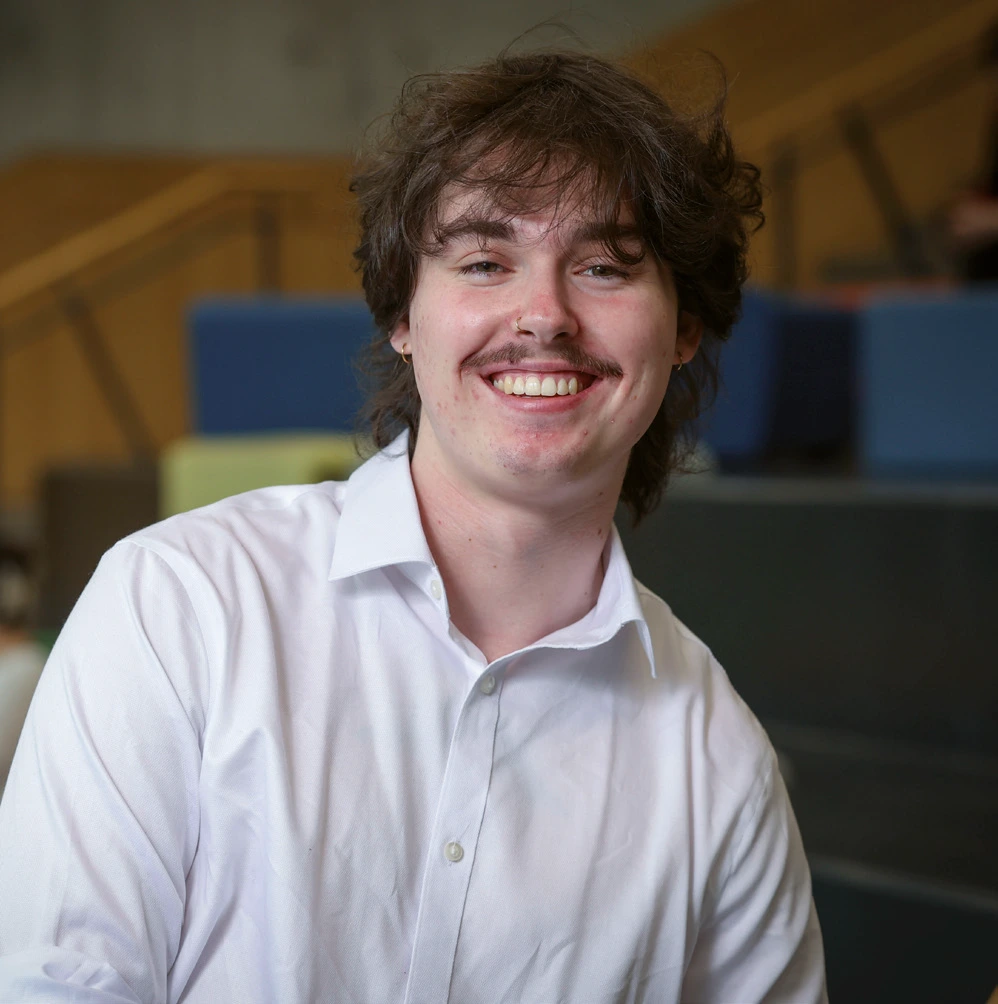
Adam Daly is a PhD student in DCU School of Psychology whose research focuses on cancer survivorship, health and culture. Here, he shares how philanthropic initiatives have supported his educational journey, from school outreach to his doctoral scholarship. With less than 1% of doctoral students coming from socio-economically disadvantaged backgrounds, the Deloitte Access PhD Scholarship seeks to remove barriers to success and support talented students to pursue research careers.
“I think my mam always saw college as a way to have a better life. It was important to her that we go and get the best education we could and make the most of the opportunities available to us. It certainly hasn’t always been easy, with cancer heavily affecting my family over the years – but now my siblings and I all have a college education.
I went to a DEIS secondary school, where I was lucky enough to take part in a lot of initiatives with the DCU Access Outreach Programme. Learning about supports like the SUSI grant and the DCU Access Programme made college feel like a real possibility for me.
I applied to study Psychology in DCU because I wanted to help people and facilitate positive change. Although I just missed out on the points for my course, I was able to qualify on reduced points through Access, and the constant support and encouragement of DCU staff and lecturers have genuinely changed my life.
During my undergraduate degree, I had incredible opportunities to follow my ambitions and participate in international research in culture and health psychology. I won four research grants, including from the Irish Cancer Society and Breakthrough Cancer, published three research papers, and I already have more research in the works.
My most recent paper is a qualitative study of tattoo artists’ perspectives on therapeutic tattoos for cancer survivors. Many cancer treatments can lead to a disrupted body image and identity. There’s a wide practice of therapeutic tattooing for cancer survivors, yet it’s an under researched area. Our study aimed to identify tattoo artists’ perspectives on therapeutic tattooing for cancer survivors, and the impact on them of doing this work.
This scholarship will help me to continue building a career researching cancer survivorship, health, and culture, and it’s an opportunity I could not have imagined four years ago.”